The Inaugural International Women’s Writing Association Conference
Falmouth University, Woodlane Campus
17th – 19th June 2026
Please click the titles of the papers to see the corresponding abstract
IWWA Survey
We would be very grateful if you would consider filling in our survey. We are really keen to hear your thoughts on what you would like from us as an Association as we want to be shaped by and serve the needs of our members.

TUESDAY 16TH JUNE
6 -7.30 pm
BOOK LAUNCH
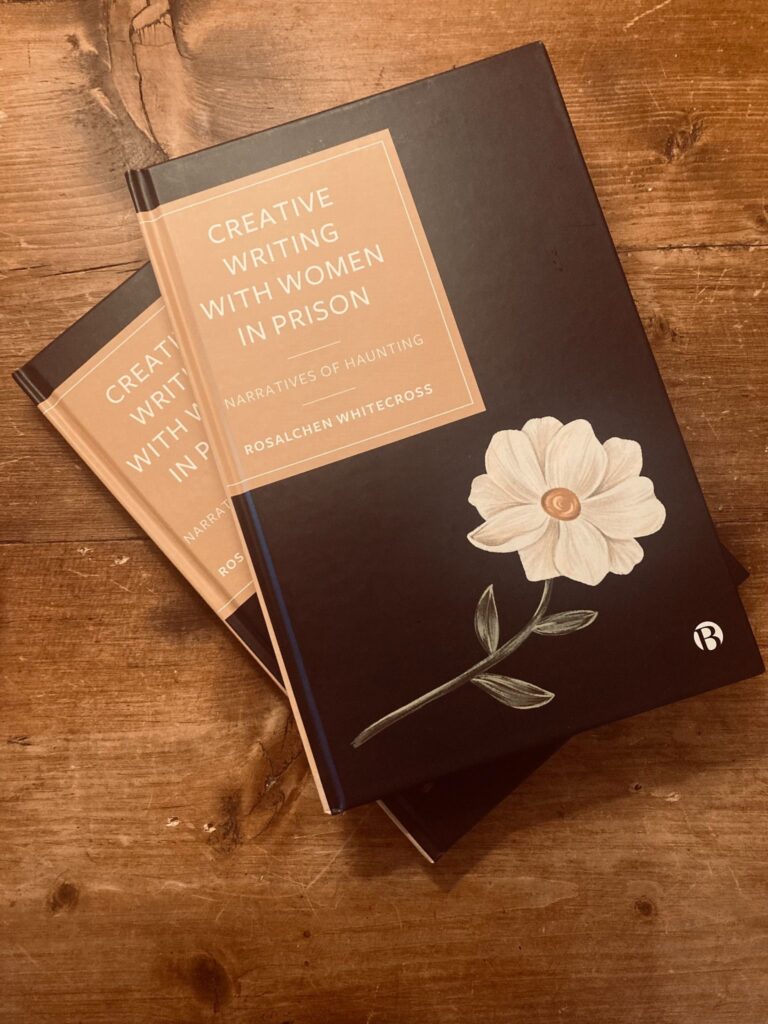
Creative writing with women in prison: Narratives of haunting
Rosalchen Whitecross
Centred on creative writing workshops in UK women’s prisons, this book explores what happens when imprisoned women begin to tell their own stories which are shaped by disempowerment and social exclusion. Blending creative practice with critical analysis, it positions prison writing as both a mode of resistance and a means of reimagining the self.
Rosalchen Whitecross is a writer and narrative researcher. She is a Senior Lecturer at Bath Spa University and a Research Associate at Wits University (South Africa).
This event will be held at The Poly (24 Church St, Falmouth TR11 3EG), which is within walking distance from the University.
The venue provides comfy seating and a bar. Come join us to start the conference with a drink and a chat, as well as to celebrate Rosa’s latest publication.
CONFERENCE EXHIBITION
Fox Studio 5
Unsettled: An exhibition showcasing the creativity, strength and resilience of women rebuilding their lives after domestic abuse.
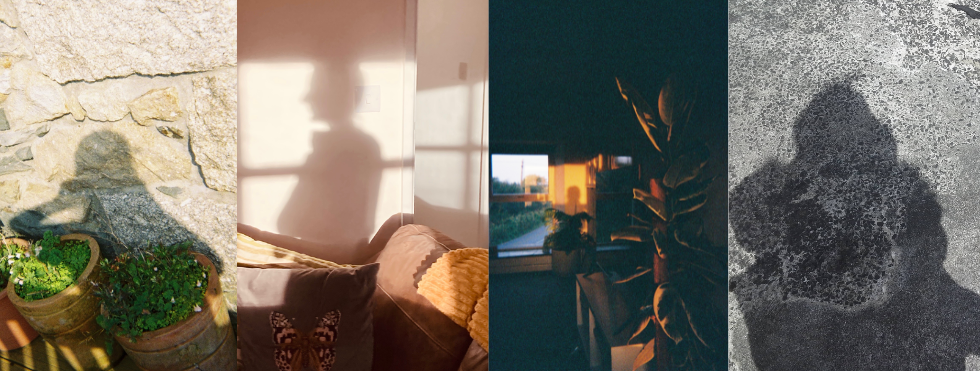
This exhibition, which will be on display throughout the conference, is the result of a collaboration between West Cornwall Women’s Aid, photographic artist Karen Brett & creative writer Nicola Coplin.
The project was created by and for women who have fled domestic abuse and are rebuilding their lives with extraordinary resilience and courage. Using photography and creative writing to represent their experiences, participants have chosen how to best represent their journeys and what stories they need to share. Much of the work reflects on the reality of life in refuge and temporary accommodation which encompasses the loss of privacy, the strains of communal living, and the instability of housing that is often unsafe or unsuitable. However, the words and images also demonstrate the strength, imagination, and determination required to rebuild a sense of self and home.
Alongside the survivor’s perspectives is the work of the Resettlement Worker, whose participation was integral to the project. Through her photographs of the places she visits, the journeys she makes, and the spaces she encounters, she reflects on the realities of her role, walking alongside each woman as they navigate a new beginning. Her creative process captures not only the physical landscapes of resettlement, but also the emotional weight of listening, supporting, and holding space for each woman.
Presented here as zines and photographs, the exhibition amplifies each participant’s voice and perspective. Their work speaks not only of the challenges of surviving domestic abuse, but the vital role that creative expression can play in the process of recovery and restoring one’s identity and independence.
WEDNESDAY 17TH JUNE
9.15 – 9.45 – Registration, Fox Cafe
9.45 – 10
Welcome!
Lecture Theatre One
Jo Parsons (Falmouth University) and Kirsten Saxton (Northeastern University)
10.00 – 11.30 – Panel 1
1A. Austen and Her Circle
Lecture Theatre One
Chair: Carolyn Shapiro, Falmouth University
Lorna Clark (Carleton University) Austen’s contemporary: a kindred spirit
Yuka Hiromoto (Institute of Science Tokyo) Frances Burney and a Poetics of Character: From Jane Austen’s Perspective
Jocelynne Scutt (UNSW Sydney) The Three Marys and Marriage in Jane Austen
1B. Convening with the Bullhead: a Poetic Investigation of the Ecology of the Dysmorphic Body
The Lighthouse
Workshop Lead: Jordan Blanchard, University of Westminster
1C. Feminist Genre Rewriting and Detection
Seminar D
Chair: Jess Samuel, De Montfort University
Hadas Elber-Aviram (Notre Dame) From The Strand to The Story: Feminism and Fantasy in E. Nesbit’s revisions
Rebecca Lloyd (Falmouth University) The bloody themed guest house: Gothic cozy crime for feminists
Jennifer Popple (Augustana College) “A Sort of
Sympathy Between Us”: Care, Marginality, and Detection in Agatha Christie’s The Mousetrap
1D. Archives and Recovery
Seminar E
Chair: Helen Pleasance, York St John University
Sara Read (Loughborough University) “Beyond the Archive”: Writing Fiction as a Research Method for Recovering Early Modern Women’s Lives
Sarah Riviere (Falmouth University) Marian DaCamara Chace and the Schindler House
Vicki Aimers (Falmouth University) “Our College Mother”: Archival Glimmers, Friendship, and Women’s Writing in a Victorian Student Teacher’s Yearbook
11.45 – 1.15 Keynote, Lecture Theatre One
Women Writing Differently: Politics, Creativity, Collaboration
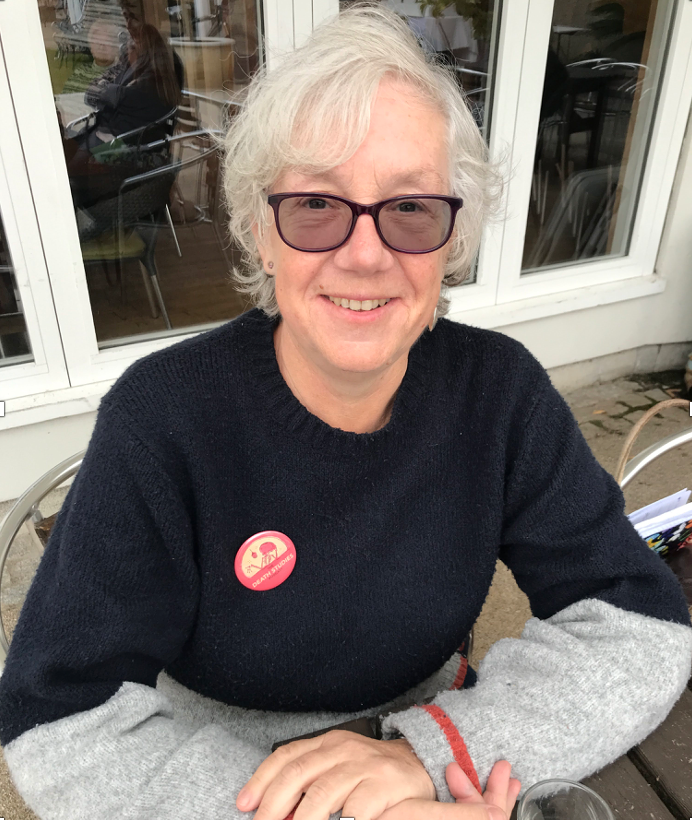
Gayle Letherby, University of Plymouth
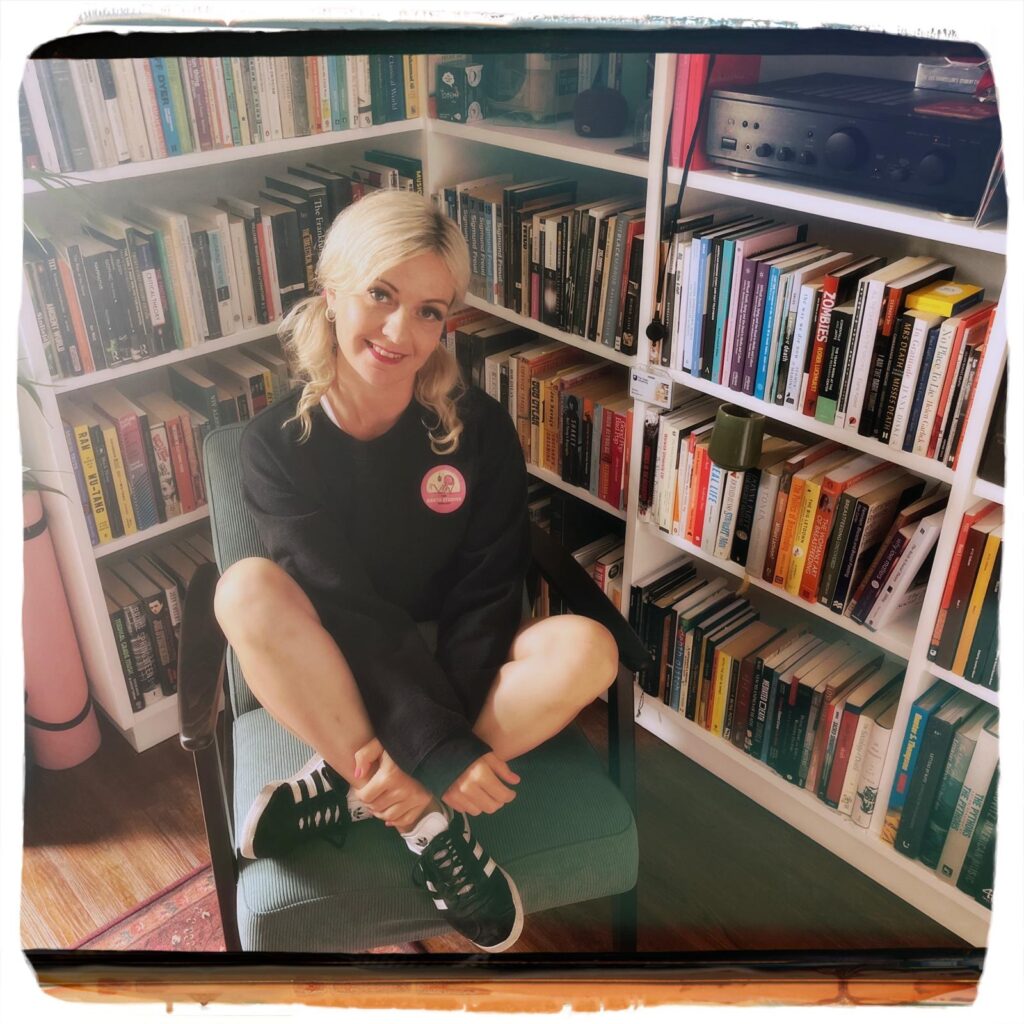
Bethan Michael-Fox, Open University
Chair: Nicola Coplin, Falmouth University
Together, and independently, we are interested in the writing process as well as the resultant products. With two other colleagues we recently published an article within which we drew on our auto/biographical experiences of working in the field of death studies. In the piece we each individually, and jointly, explored creativity, innovation and impact, and the strategies on offer in auto/biographical writing in order to ask the questions: What is writing doing? and When is writing doing? (Letherby et al., 2005). In this article, and in others that we have each written, we suggest that critical, creative auto/biographical work is a powerful way to respond to, and reflect on, sensitive and misunderstood issues and to challenge harmful stereotypes in order to set the ‘story straight’. For us both writing is an embodied, emotional and political experience and we are grateful to, and for, the very many women writers and scholars who raise their voices, challenging old, and highlighting new issues and concerns. Women who broaden debate and break the rules, encouraging and enabling others (us included) to do so also.
In our presentation we each reflect on our individual and collaborative (as a duo but also with other friends and colleagues), writing influences, motivations, practices and ambitions. In sharing some of our own challenges and pleasures in writing as doing we aim not only to tell some of our own story/ies but also to open a conversation about what this means to you in relation to your writing experience.
Reference
Letherby, G. Michael-Fox, B. Norwood, T. & Woodthorpe, K. (2025) ‘From Writing to Doing: Strategies for Approaching Loss, Dying and Grief in Auto/Biographical Writing’ Illness, Crisis & Loss, 33(4), 817-840.
Biographies
Gayle Letherby: I am Honorary/Visiting Professor at the Universities of Plymouth, Greenwich and Bath and Co-Founding Director of the Ethical Exercise Lab ethical-exercise-lab.com. I am a sociologist, writer, and mentor whose work is rooted in the lived realities that are too often misunderstood and misrepresented; that is unheard. I work with auto/biographical, feminist and creative methodologies to make visible stories and emotions frequently dismissed or overlooked.
Alongside my academic work, I increasingly write for wider publics, weaving sociological insight with narrative forms to challenge who is listened to, whose experiences count, and how we come to know what we know. I write fiction and memoir, some published at abctales.com/gletherby, and often embed creative pieces within more traditionally academic outputs. I also run creative writing workshops and retreats for academics, activists, and others, details of which are available at www.gayle-letherby.co.uk.
Dr Michael-Fox’s research centres on cultural representations and their intersections with lived experience, with a particular focus on death and dying. She is managing editor of the academic journal Mortality. She co-founded and co-hosts The Death Studies Podcast, is a council member of the Association for the Study of Death and Society, fellow at the University of Bath’s Centre for Death and Society, a member of Open Thanatology (the Open University’s research centre for death and dying) and on the steering group for the University of York’s Death and Culture Network. She is a member of the international EU funded research group Cost Action CA24150: Values in Turbulent Times: Navigating Social Changes and Challenges (VISTA). She works at the Open University, where she manages, designs, teaches and delivers courses in English literature, language and creative writing.
1.15 – 2.15 – Lunch, Fox Cafe
2.15 – 3.45 – Panel 2
2A. Reimagining Gift-Giving: Assembling Everyday Narratives
The Lighthouse
Workshop Lead: Karina Busquets, Falmouth University
2B. Post-Feminism On Screen
Seminar B
Chair: Fruzsina Papp (University of Debrecen)
Emily Joshua (Falmouth University) How ‘Foxton Hall’ Reinterprets the Regency Romance Genre for a Modern Audience
Annabel Hogg (Newcastle University) Pink Fluffy Pens: The Postfeminist Makeovers of the “Legally Blonde” Franchise
Stephanie Ng (Institute of Languages, Cultures, and Societies) Consuming Critique and Romanticizing Retreat in the Postfeminist Present
2C. Materializing Stories
Seminar E
Chair: Dorothy Chansky,Texas Tech University
Ursula Hurley (University of Salford) Who Gets to Write a Life? Gender, Disability, and the Materialisation of Story
Marie Macneill (Falmouth University) Drama Central: Finding the major dramatic question for women protagonists in storytelling
2D. Dark Desires: Horror and the Otherworldly
Lecture Theatre One
Chair: Hadas Elber-Aviram, Notre Dame
Jay Szpilka (SWPS University / Edinburgh Napier) The Terror of Desiring: Surviving Kink in Transfeminine Horror Literature
Sarah Frankish (Independent Scholar) Otherworldly Bodies: Female Desire Beyond the Human in Contemporary Mythic Erotica
2E. Bodies and Histories
Seminar D
Chair: Sara Read, Loughborough University
Kiriaki Massoura (Northumbria University) Crises of Masculinity in The Handmaid’s Tale and The Power
Katarzyna Ksepka (University of Cyprus) Revising the Middle Ages: Medievalist Detective Fiction as Feminist Historiography
Elaine McGirr (University of Bristol) Bodies in Biography: the Case of Mary Ann Yates’s Missing Months
4 – 5.30 – Panel 3
3A. Writing Consciousness, Writing Process
Seminar B
Chair: Heloise Thomas, Independent Scholar
Carys Stallard (University of Edinburgh) ‘For here is truth’: Women Writers and the Inscription of Consciousness
Muirín Kramer (Queen Mary, University of London) A Novel is a Half-Formed ‘Beginning of Something Else’: Eimear McBride and the Joycean Connection
Megan Lupton (De Montfort University) Women Writing Women: Exploring Gender Violence & Victim Blaming Through Creative Writing
3B. Hermitage Press Panel
Lecture Theatre One
Chair: Sam Pentin, Hermitage Press
Hermitage Press has gathered together a few of Cornwall’s strongest, contemporary women writers to discuss why short stories play such a pivotal role in their lives. CEO and short story writer Sam Stone will be chatting with Clare Howdle, Clare Owen and Emma Timpany to explore why women excel at writing contemporary short fiction. Is it the freedom to experiment? Is it the chance to dismantle social expectations? Does it give more opportunity to explore contemporary themes? Or is it simply that short stories are more manageable and can be fitted within the spaces of women’s busy daily schedules.
3C. Transgressive Refusals
Seminar D
Chair: Lucy Neville, University of Southampton
Bronwen Welch (Camosun College) Comic Transgression: Female Self-Awareness and Narrative Shame
Dorothy Chansky & Jarek Milewski (Texas Tech / University of Łódź) Trailer Trash Trilogy: Three American Women Novelists Challenge Prejudice with Pride
Robin Joyce (Independent Scholar) The Adventurous Four: Popular Fiction and Women Behaving Badly
3D. Forget Me Not, Legacies
Seminar E
Chair: Teresa Martínez Quiles, University of Alicante
Celia Brayfield (Bath Spa University) Forgotten Women: Afterlife, Legacy and the Canon
Philip Miles (Independent Scholar) Female Agency and Power in Hilda Vaughan’s Interwar Writing
Jess Samuel (De Montfort University) Helen of Four
Gates (1917): The Revolutionary Vision of a Forgotten
6 – 8.30 – Wine reception, Chain Locker
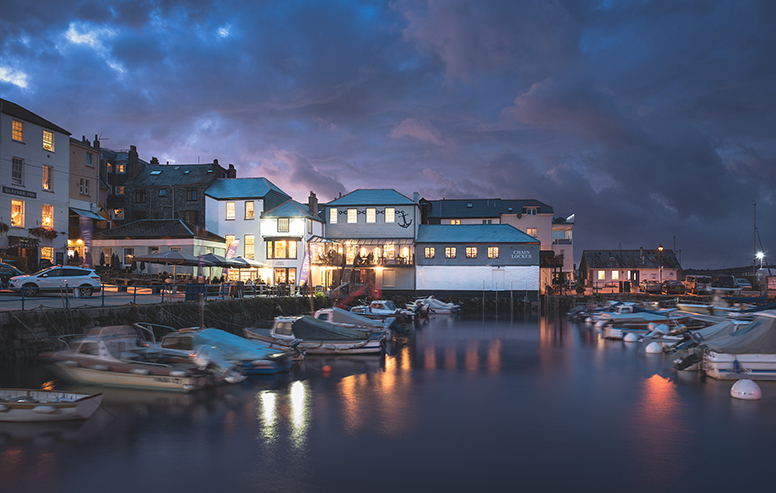
Our free drinks reception will be held at Chain Locker (Quay St, Falmouth TR11 3HH), which is within walking distance from the University. This pub overlooks the harbour and there will also be live music.
THURSDAY 18TH JUNE
9.30 – 11 – Panel 4
The Lighthouse
Workshop Lead: Ruxandra Maria Ghitescu, University of Bucharest
4B. Writing the Body: Pain and Inscription
Seminar D
Chair: Amy Wells, Université de Caen Normandie
Jillian Stefferud (University of Denver) Vulnus Femininum: TheAbject in Feminist Theory and Anorexia
Jo Lake-Jones (Falmouth University) Granite
Bodies: writing women’s pain into the landscape of Bodmin
Miranda Corcoran (University College Cork) Satanic Liberation and Working-Class Feminism in Ethel Mannin’s Lucifer and the Child
4C. Haunted Inheritances
Lecture Theatre One
Chair: Heloise Thomas, Independent Scholar
Helen Pleasance (York St John University) ‘Like ectoplasm from a medium’s mouth’: on being haunted by women writers
Emily Corrêa (Independent Scholar) A Madwoman in the Attic: Automatic Writing and Women’s Literary Inheritance in Shining Vale
Rosalchen Whitecross (Bath Spa University) Women’s Prison Writing as Narratives of Haunting
4E. 18th- and 19th- Century Authorship and Authority Seminar B
Chair: Carolyn Shapiro, Falmouth University
Antonia Marcarelli (Università di Bologna) Women Writing Italy: Travel, Political Change, and Authorial Authority in the Long Nineteenth Century
Charlotte Peters (University of Vienna) Innocence in British Nineteenth-Century Women’s Writing
Puck Limburg (University of Amsterdam) Between Image and Voice: Revolutionary Womanhood and Female Authorship in France 1789–1848
11 – 11.30 – Tea break, Fox Cafe
11.30 – 12.30 Screening and in Conversation, Lecture Theatre One
Writing While Becoming: From Lived Experience to Public Story, How Theory, Desire and Autoethnography Shaped my TEDx Talk
Lauren Gauge, Falmouth University
Ruth Pethybridge, Falmouth University
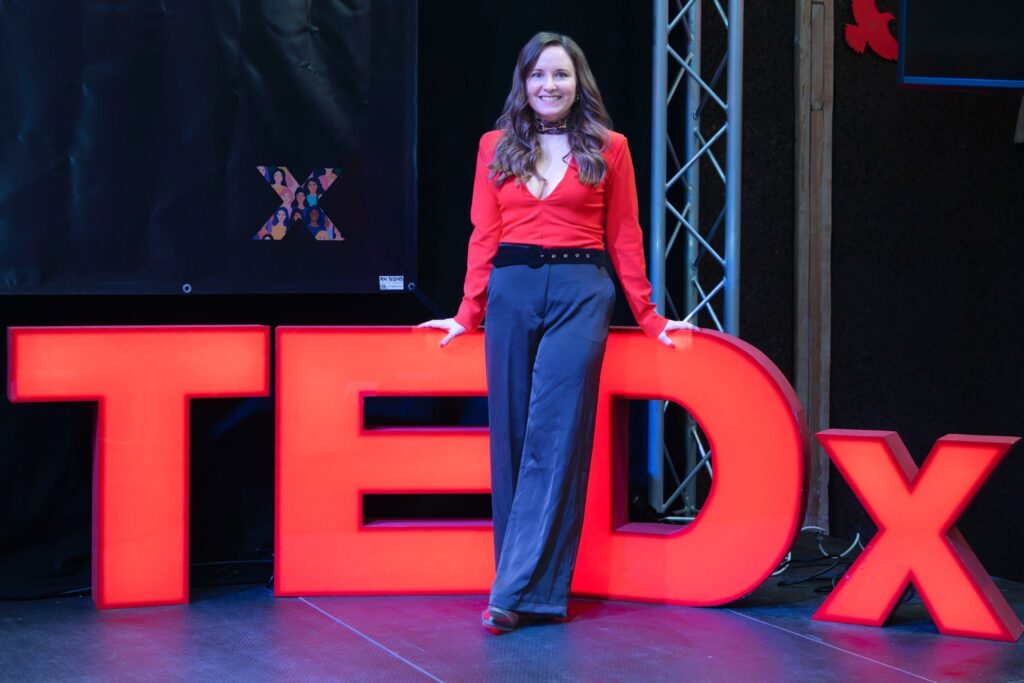
Screening of freshly released TEDx talk “Can marriage survive? Can feminists marry? The radical feedback loop for evolving together” by award-winning writer performer Lauren Gauge with a panel discussion.
The panel discussion including, the TEDx speaker Lauren Gauge and Dr Ruth Pethybridge, will explore the writing process behind Gauge’s provocative and inspiring TEDx talk – how personal experience, feminist inquiry and creative practice came together to shape the work. Drawing on autoethnography as a feminist methodology, Lauren will discuss how she transformed unconventional lived experience into a public narrative, weaving together personal stories, feminist and queer theory, performance practice and other women’s texts. The discussion will explore more broadly writing as a process of ‘becoming’ rather than documenting: following questions rather than conclusions and writing through uncertainty.
Central to Gauge’s practice is writing from desire – treating sensation, emotion, the body and lived experience as sources of knowledge rather than subjects to be analysed from a distance. The session will explore how desire, imagination and performance can function as creative methodologies, guiding both the questions we ask and the futures we dare to envision on the page. For writers interested in the relationship between self, story and social change, this screening and conversation offers insight into how intimate personal narratives can become a framework for thinking, challenging convention and imagining new possibilities for how we live, love and relate.
Biographies
Lauren Gauge is an award-winning writer-performer of plays and poetry, speaker and performance researcher at Falmouth University. She is a queer woman and mother, and creates visceral performances with and to celebrate the underrepresented communities of which she is a part. Known for her sharp humour and raw, lyrical, storytelling, Gauge’s writing challenges convention and form, centring auto-ethnographic feminist performance praxis. She is deeply drawn to live and lived connection, reimagining collective connection through performances, lectures, and her workshop series, so that we might dream up more aligned, satisfying and exhilarating realities for ourselves, our communities and our relationships.
Gauge publishes and performs internationally, including Red Room The Palace theatres of Belarus and Russia (Winner Best Lead Actor award and Grand Prix award in Belgium); forthcoming Wild Women (Inkfish, 2026); appearances at Soho Theatre, RSC, Tate St Ives, Penzance Literature festival, Apples and Snakes. Gauge’s debut gig-theatre play with beat-boxing, The Unmarried, is a rave and riot challenging societal expectations celebrating female sexuality. The Unmarried won the Hiive and Lyric Hammersmith Award for New Writing, Outstanding Performance award Miro Magazine and was selected as Pick of the Fringe in Underbelly, Edinburgh after a sell-out run of UK festivals in 2017. The Minack Theatre commissioned her play, The Point (2023). Gauge was shortlisted for Southbank Centre’s New Poets Collective 2023 and Highly Commended in Poet Laureate of Penryn competition published by Cornwall Poetry Library, 2025.
Email: lauren.bibbygauge@falmouth.ac.uk
LinkedIn: https://www.linkedin.com/in/laurengauge
Facebook: /TheUnmarried https://www.facebook.com/TheUnmarried/
Ruth Pethybridge is a Dance researcher, writer and mother. She is a Senior Lecturer in dance at Falmouth University and part of the Curatorial Team on the MA Dance Participation, Communities, Activism at London Contemporary Dance School. Her research interests centre on the body as a form of cultural knowledge and the politics of participation in dance. Ruth is passionately curious about the ways in which dance and choreography can operate to support the causes of social justice, and her writing is underpinned by feminist theory and praxis; in particular how auto-ethnographic approaches to writing involve a radical rethink in relating to false binaries of life/work and personal/professional.
Ruth regularly publishes and presents her work internationally: Recent publications include ‘Moving Into Action: Change-making through dance activism’ (Routledge,2026), ‘Dancing through the hard stuff’: Repetition, Resilience and Female Solidarity in the landscape – Rosemary Lee’s Passage for Par (Routledge 2019) and ‘From Direct Action to Being There: The Ambiguous Politics of Community Dance and the Occupy movement (a historiography)’ (Dance Books, 2020).
12.30 – 1.30 – Lunch, Fox Cafe
1.30 – 3 – Keynote, Lecture Theatre One
“I Had Inadvertently Been Taken for an Actress”: Chick Lit as a Form of Closet Drama
Rosalind Haslett, Newcastle University
Chair: Jo Parsons, Falmouth University
The confessional, first-person voice of the chick lit novel has been well documented, as has its debt to magazine culture and epistolary convention. Less examined is the extent to which these novels deploy a recognisable repertoire of dramatic techniques — dialogue, monologue, soliloquy, aside, and internalised stage direction — in ways that exceed conventional novelistic address. In Marian Keyes’s Anybody Out There? (2006), Anna Walsh is mistaken for an actress and shepherded into an audition for a ‘sub-Tennessee Williams melodrama called The Sun Never Rises‘ (302). She does not get the part: the director feels she cannot capture the character’s despair, even though it is less than a year since Anna survived the crash that killed her husband and, as she observes, ‘If anyone knew despair it was me’ (325). Anna may not be destined for the stage — her suffering, it turns out, does not perform well — but these theatrical features are more than stylistic tics: they are structural techniques that organise the reader’s relationship to the text, reproducing something of the co-presence that characterises live performance (White 2024) and transposing it into the private act of reading. Closet drama — dramatic writing intended to be read rather than performed — offers a precise framework for understanding this effect. Emerging scholarship has rejected the idea that it represents failed theatre, arguing instead that it animates the private sphere as a site of political possibility, functioning as an ‘index to the possible’ (Salvato 2010, 13). Drawing on Keyes’s Walsh Family novels (from Watermelon, 1995, to My Favourite Mistake, 2024), I argue that these works speak to precise political moments and that reading them as closet drama reveals them not as the ‘forgettable froth’ they have too often been dismissed as (Flood 2012), but as political testimonies in disguise: intimate spaces in which readers are invited to experiment with, and imagine, the world otherwise.
Biography
Rosalind Haslett is a Senior Lecturer in English Literature at Newcastle University. Her research focuses on popular literature and performance, with a focus on the way that these forms can create communities and how these communities are sustained by storytelling forms such as anecdote, reminiscence and the telling of jokes. She is an engaged researcher with expertise in archival studies and has worked closely with the theatre companies Live Theatre, Northern Stage and Open Clasp on the preservation and creative application of their archives. She has previously published essays on feminism, theatre and the archive with Routledge and in peer-reviewed journals including Contemporary Theatre Review, Performance Research, New Theatre Quarterly and Global Performance Studies. Her current work focuses on the Irish chick lit of Marian Keyes.
3.00 – 3.30 – Tea break, Fox Cafe
3.30 – 5 – Panel 5
5A. Archival Threads
The Lighthouse
Workshop Leads: Vicki Aimers and Sara Bor, Falmouth University
5B. Place, Landscape, Wonder
Lecture Theatre One
Chair: Sara Read, Loughborough University
Heloise Thomas (Independent Scholar) Isles, Shoals, and Weirs: Oceanic Wonder in the Works of Coastal Writers
Suzanne Reynolds (University of Derby) Walking, Place, and Invisible Disability: Restoring the Derwent Valley as Landscape of Women’s Writing
Tracey Gutteridge (Independent Scholar) “Don’t let’s go to the Salt Path tonight”t: Life-writing and Emotional Sustenance in Crisis
5C.
Pathways to Print and Critical Receptions
Seminar D
Chair: Dorothy Chansky,Texas Tech University
Natalie Wreyford, Zinnie Harris, & Gayle Kennedy (King’s College London / University of St Andrews) Who Values Women’s Writing? Gender, Authority and the Critical Reception of Women Playwrights
Georgia Short (University of Oxford) Proper Writers, Public Ladies: Eighteenth-Century Conduct Literature and Women’s Paths to Print
Robin Joyce (Independent Scholar) The Adventurous Four: Popular Fiction and Women Behaving Badly
5D Modes of Telling/Politics and Practice
Seminar E
Chair: Jo Lake-Jones, Falmouth University
Julianne Oc (Falmouth University) Feeling as Knowing: Written Sound and Song as Shared Knowledge (A Performance Paper).
Carolyn Shapiro (Falmouth) ‘I’ve had it!’: Feminist journalism in the Trump-Vance America
Andrew Griffiths (Open University) — The War Correspondent’s Memoir Reimagined: from Dorothy Lawrence to Jen Stout
5E Beyond Victimhood: Examining Gendered Forms of Violence and Reconciliation in Women’s Writing
Seminar B
Chair: Megan Lupton, De Montfort University
Teresa Martínez Quiles (University of Alicante) — Mother Activists and Maternal Peacebuilding in South Africa
Lourdes López-Ropero (University of Alicante) — Women’s Postconflict Poetry and Gender-Just Peace
Conference dinner, Falmouth Hotel

– 7pm (arrival)
Dinner will be served at 8 pm
(NB this is for delegates who have registered and paid for the meal)
FRIDAY 19TH JUNE
9.30 – 11 – Panel 6
6A. Confessional Women: Secrets in the Short
The Lighthouse
Workshop Lead: Eva Hibbs, University of Nottingham
6B. Silence/Expression
Seminar B
Chair: Carolyn Shapiro, Falmouth University
Louise Bell (Falmouth University) Utterance and Silence: Feminist Phenomenologies of Margery Kempe and Julian of Norwich
Alhussein Akkad (UCL) The Politics of Border Memories and Refugee Writing in Layla AlAmmar’s Silence is a Sense
Fruzsina Papp (University of Debrecen) Breaking the Silence: Reclaiming Narratives and Agency in Contemporary Documentaries
6C. Narrative Sovereignty and Emancipation Seminar E
Chair: Puck Limburg, University of Amsterdam
Babsie Keulemans (University of Reading) Indigenous Women’s Narrative Sovereignty in Cousins
Diwakar Attri & Kavya Krishna (IIT BHU) Autobiographies as Emancipatory Epistemology: Takbhaure and Kaveri
Gabriela Koestinger (University of Nottingham) Fragmented Selves, Collective Voices: Black Feminist Life Writing in Audre Lorde and Toi Derricotte
6D.
Seminar D Mediations of Identity
Chair: Ester Suur, University of Tartu
Jiacheng Du (University of Southampton) From the Female Body to Mediated Sensuality: Barbara Hammer’s Dream Age (1979)
Zhuoqing Sun (University of Southampton) Space Beyond Binary: Documenting and Structuring Yin-yang
Ester Suur (University of Tartu) Visions of diasporic identity in Julie Otsuka’s The Buddha in the Attic and Kayo Hatta’s Picture Bride
11 – 11.30 – Tea break, Fox Cafe
11.30 – 1 Keynote, Lecture Theatre One
The Dress Diary: Speculative Life Writing Through the World of Anne Sykes
Kate Strasdin, Falmouth University
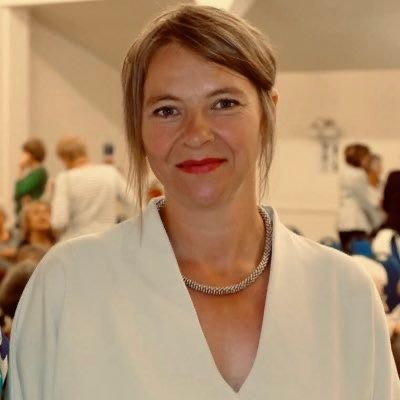
Chair: Kirsten Saxton, Mills College at Northeastern University
In 2016 I was given a remarkable gift. Wrapped in brown paper, I discovered a thick volume filled with fabric samples, annotated by the hand of a single person. It came with no provenance and no story. Five years later, I had managed to decode some of its more than two thousand entries, building a speculative picture of the world from which it had emerged, the nineteenth century experiences of a woman named Anne Sykes. Subsequently the research was published as a book, not as an academic monograph but as a trade non-fiction publication. My keynote will examine both the challenges of object based historical research and of writing both inside of and outside of the academy. The different voices required of commercial publishing versus academic papers has required some navigation and leads to some debate around impact and validity as both a scholar working within the British HE sector and
as a writer catering to the potentially broader interests of a more diverse audience.
Biography
Dr Kate Strasdin is a Senior Lecturer in Cultural Studies in the Fashion and Textiles Institute at Falmouth University. Her first book Inside the Royal Wardrobe: The Dress of Queen Alexandra was published in 2017 by Bloomsbury Academic. The Dress Diary of Anne Sykes was published in 2023 by Chatto & Windus, followed more recently, April 2026, by Dressing the Queen: 200 Years of Makers and Monarchy. She has published journal papers based around object based dress studies. She is the Chair of Trustees for the Devonshire Collection of Period Costume, housed at Falmouth University.
1 – 2 – Lunch, Fox Cafe
2 – 3.30 – Panel 7
7A. Writing with Visible Seams: Citational Grafting and the Ethics of Reassembly
Seminar B
Presentation and Workshop Lead: Tabby Carless-Frost, Brunel University
Paper followed by a linked workshop: Marks of Violence, or Identification: Post-Mortem Inscription and the Ethics of Care
Note: This session will finish at 4pm
7B. Inscribing Desires
Seminar E
Chair: Miranda Corcoran, University College Cork
Jessica Gregory (University of Kent) Fact and Fantasy: Women, the Periodical Press and Writing Kink Desires in the Early Twentieth Century
Xinyi Gao (UCL) From Heterosexual Romance to Male-Male Intimacy: Female Authorship, Fan Fiction and Digital Intimacy on AO3
Lucy Neville (University of Southampton) “Somewhere Over the Rainbow”: Women, m/m romance, and the politics of writing queer desire
7C. Feminist Practice: Craft and Labour
Lecture Theatre One
Chair: Kirsten Saxton Northeastern University
Amy Wells (Université de Caen Normandie) — Pairing Text with Craft: Craftivism’s Use of the Manifesto Genre
Rose Ugoalah (Technological University Dublin) Women’s Writing and Power in Contemporary Ireland: Authorship, Labour, and Cultural Production
Karen Brett & Nic Coplin (Falmouth University) What Lurks in the Shadows: Emotional Residue at Intersections of Image and Text
7D. Memory and Rewriting
Seminar D
Chair: Dorothy Chansky,Texas Tech University
Emma George (University of Plymouth) Memorycombing as Practice: Memory and Memorialisation
Caroline Wheeler (Falmouth University) “Ku Pamięci!! – In Memory of!!”
Hu Shiyang (Beijing Normal University) Wang
Anyi’s The Song of Everlasting Sorrow: Appropriation and Rewriting of Popular Women’s Narrative
FINISH!